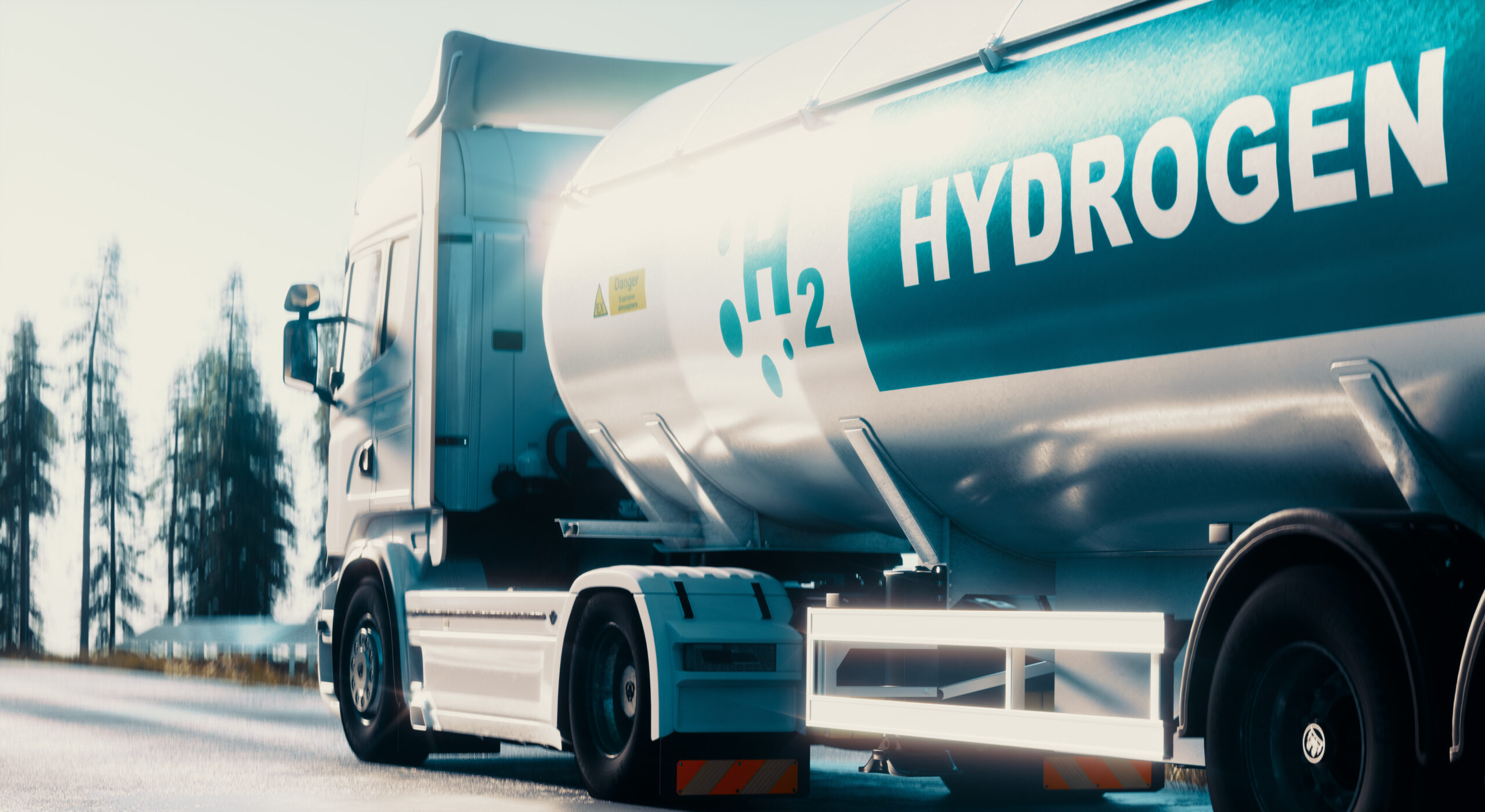
The Economics of Decarbonization Regulation: The Case of Shipping Efficiency

“Abstract

Measures towards net-zero transition need to ensure the well-functioning of the market. This paper focuses on shipping where the existing environmental regulations lack considerations for the industry’s economic performance. We apply a stochastic frontier analysis to estimate the carbon, production, cost, and allocative efficiencies for 14 major shipping segments and 664 individual vessels. Our findings suggest that carbon and production efficiencies have increased but cost efficiency has decreased from 2021 to 2024. There is scope for the average vessel to reduce its carbon emissions by 31%. Additionally, fuel is underused by 37% and capital is overused by 58%. Technical and operational inefficiencies increase the total cost by 6%, with market price dynamics increasing it by 17%. The results suggest that, without further policy intervention and clear economic incentivisation, there is limited potential for the industry to follow the energy transition pathway.”


Shi, Yao and Moutzouris, Ioannis, The Economics of Decarbonisation Regulation: The Case of Shipping Efficiency (March 31, 2025). Available at SSRN: https://ssrn.com/abstract=5205272 or http://dx.doi.org/10.2139/ssrn.5205272

The full report is also accessible via: Page-48_56-CID-Summer-2025-IM-YS-061925.pdf


For related publications please see Resources – UK National Clean Maritime Research Hub
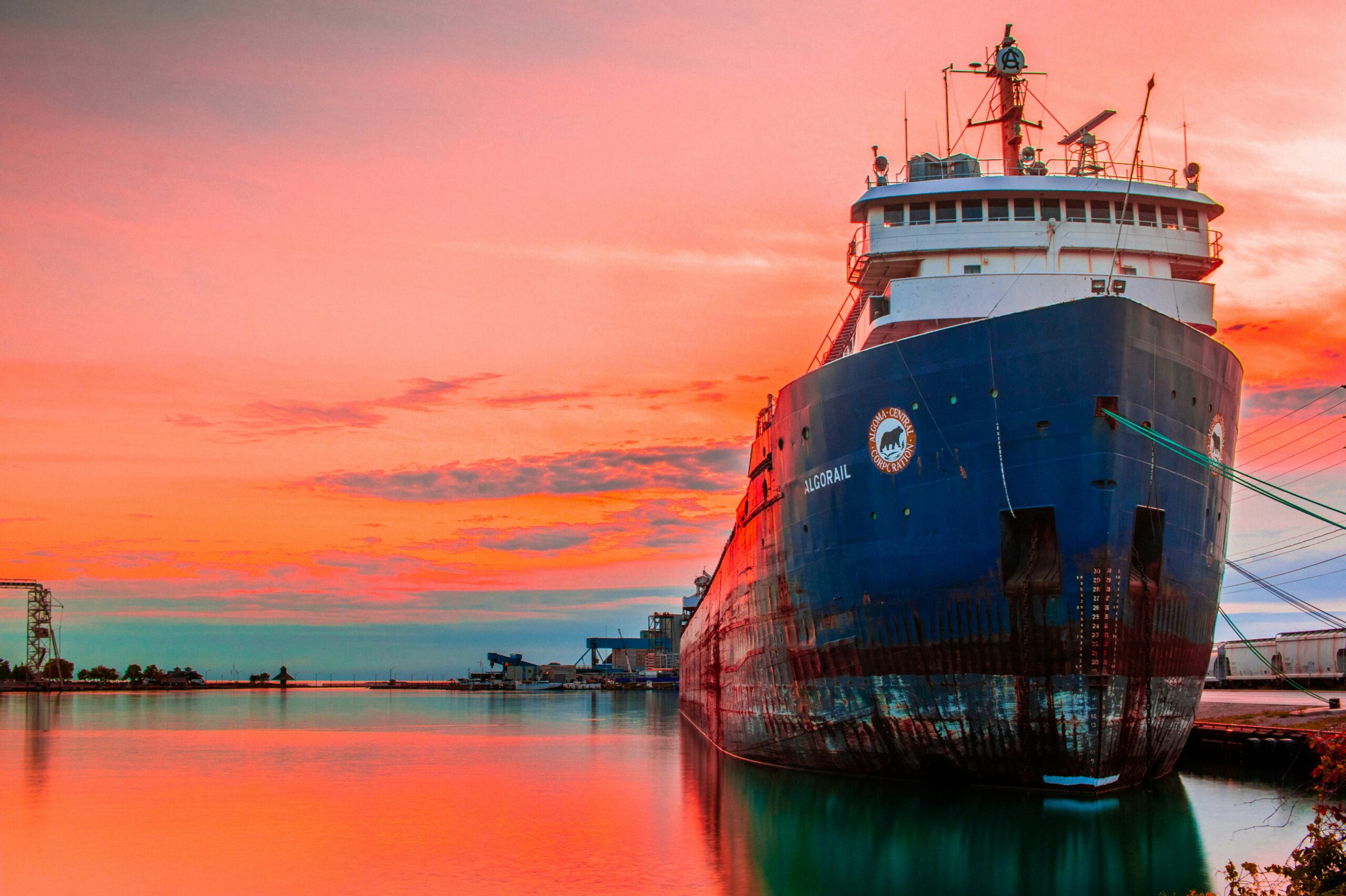
Floating solar wireless power transfer system for electric ships: Design and laboratory tests

“Abstract

The maritime industry is under increasing pressure to decarbonise, presenting an important pathway of transforming the power systems from conventional marine fuels to electric-based. This study proposes an innovative solution to support maritime decarbonisation through the integration of a floating solar clean energy harnessing and wireless power transfer (WPT) technology for electric vessels. The paper presents the design and experimental tests of the integrated system specifically, based on a model of an electric yacht. This study provides an in-depth analysis of application of floating solar to provides an off-grid wireless power transfer system that can scale for larger vessels such as ferries. The off-grid modularity proposed enables scalable, flexible, and sustainable energy delivery for maritime applications and decarbonisation with specific attention to challenges in WPT alignment and environmental condition. Simulations using ANSYS Maxwell were performed to model the magnetic field interactions and ascertain the optimal power transfer efficiency. Subsequently, a reduced-scale prototype system was designed, built and tested in a wave tank. The experimental results demonstrated efficient wireless charging with an average efficiency of 82 %, and the docking system proved effective in maintaining alignment even when the ship has wave-induced motions. The findings support the feasibility of using floating solar WPT systems for maritime vessels and pave the way to larger-scale studies.”


Ibrahim, K.A., Le Maréchal, T., Luk, P., Qin, Q., Huang, L., Xie, Y., Verdin, P. and Luo, Z., 2025. Floating solar wireless power transfer system for electric ships: Design and laboratory tests. Energy Conversion and Management332, p.119738. https://doi.org/10.1016/j.enconman.2025.119738

Please use the DOI link above to access the full article.

For related publications please see Resources – UK National Clean Maritime Research Hub
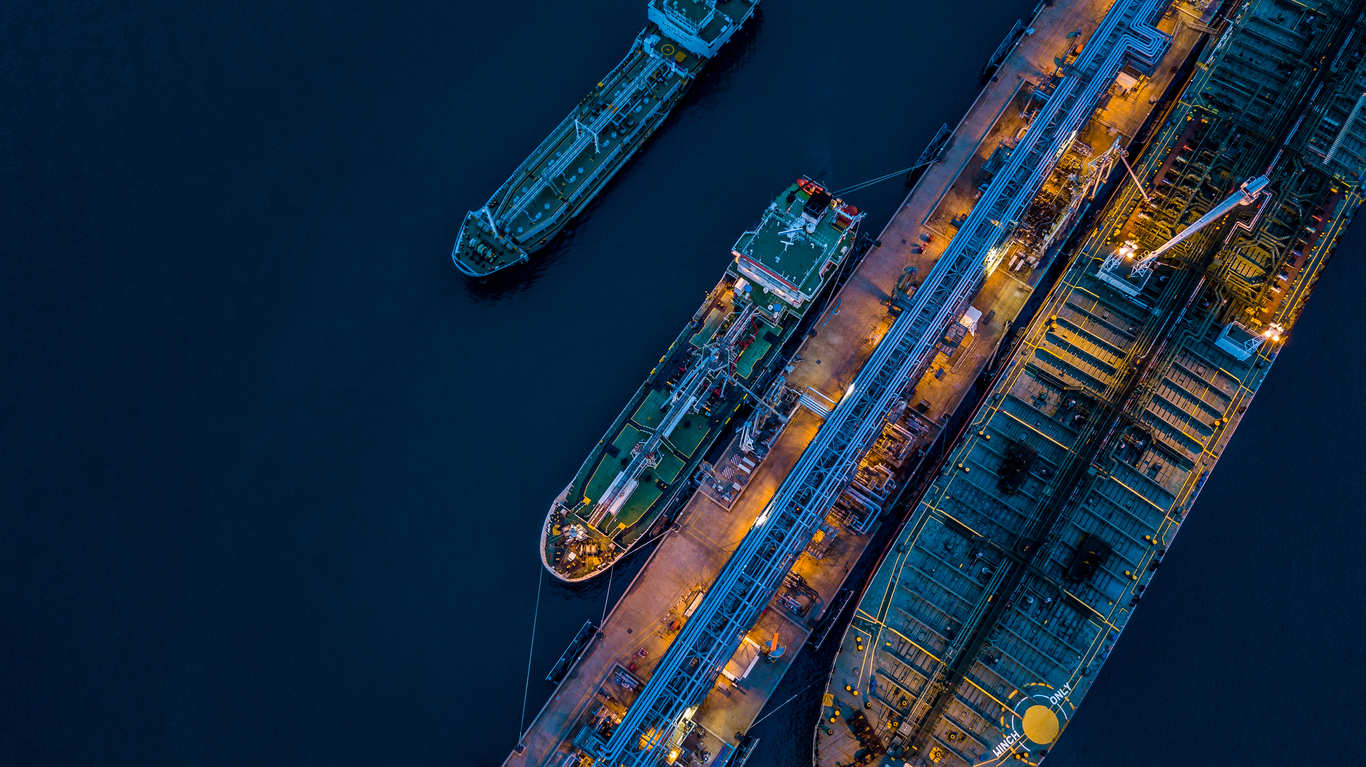
Green Investment Under Market Uncertainty: Scrubber Installation in Shipping

“Abstract

In 2020, the International Maritime Organization implemented a limit to the sulphur content emitted by vessels. To comply with it, a vessel should either incur the capital cost to be retrofitted with a scrubber or burn fuels that emit less sulphur but are more expensive. We examine this dilemma by developing a Vector Error Correction Model that links freight rates, fuel prices, and the green investment decision of scrubber installation. The results, across the tanker and dry bulk sectors from 2021 to 2024, suggest that the freight premium of scrubber-fitted vessels positively depends on the spread between very low-and high-sulphur fuel oil prices and negatively on the size of the scrubberfitted fleet. Scrubber investment, in turn, is determined by the past freight premium and the fuel spread. Being the first to investigate the interplay between green shipping investment and price uncertainty, our findings yield significant industry and policy implications.”


Moutzouris, Ioannis and Marchese, Malvina and Papapostolou, Nikos C. and Efstathiou, Angelos and Shi, Yao, Green Investment Under Market Uncertainty: Scrubber Installation in Shipping (February 10, 2025). Available at SSRN: https://ssrn.com/abstract=5130549 or http://dx.doi.org/10.2139/ssrn.5130549

The publication is also available via: https://www.bayes-cid.com/pdf/issues/2025-summer/publications/CID-Summer-2025-Scrubber-040325.pdf

For related publications please see Resources – UK National Clean Maritime Research Hub
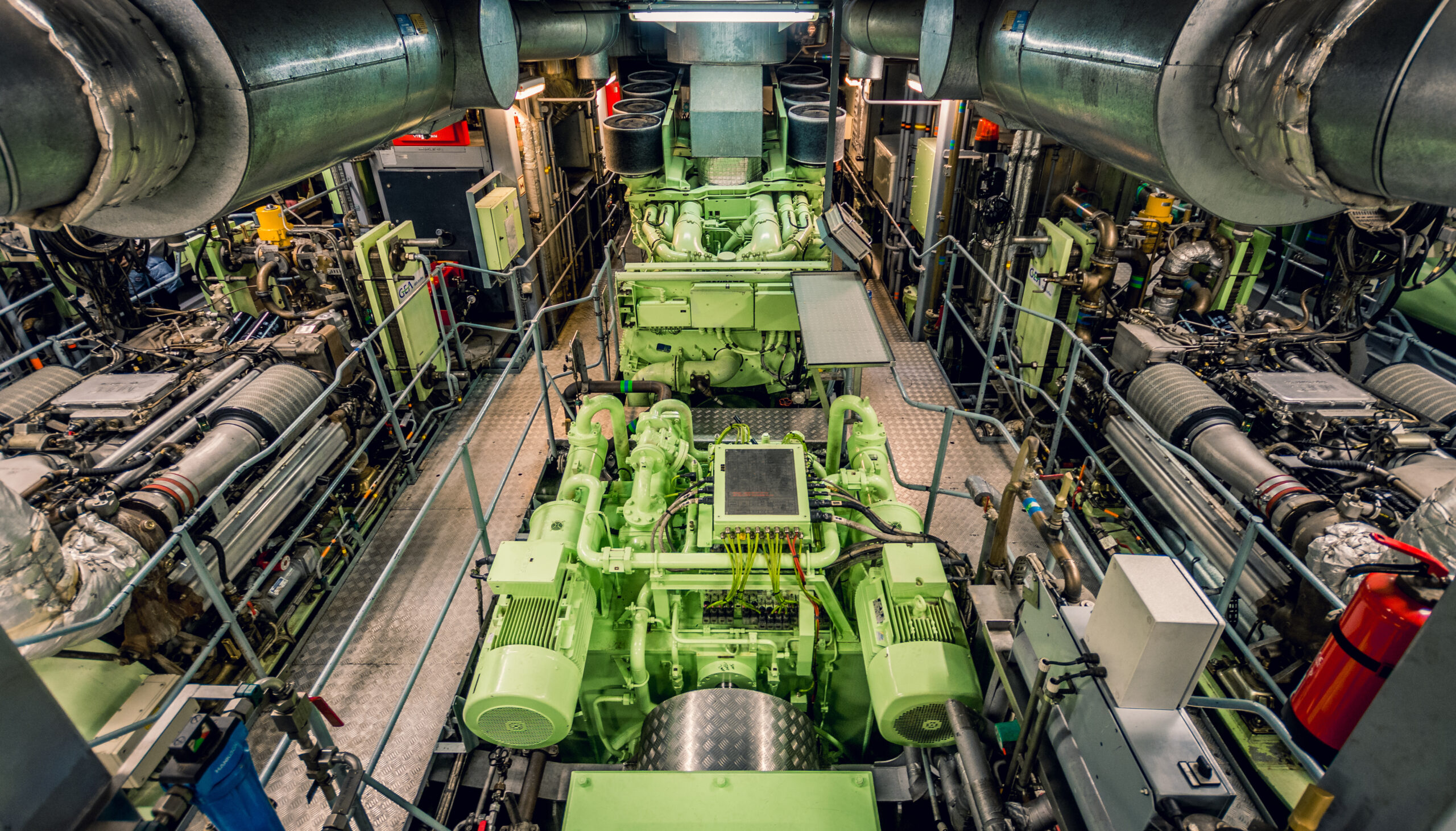
Port Injected Hydrogen Split Cycle Engine for Decarbonization and Emissions Control

“Abstract

To meet the future EU emissions targets, this work presents the first of its kind experimental results from an engine representing the expansion cylinder of a recuperated split cycle engine (RSCE), operating with direct injection diesel and port injected hydrogen. The separate valve and cylinder geometry optimization of the compression and expansion cylinders, with quasi-isothermal compression and internal waste heat recovery in the RSCE, offers greater opportunities to optimize efficiency. The partial hydrogen substitution increases the calorific value and reduces overall carbon content. Results are examined at new test conditions, using the validated Ansys Chemkin-Pro numerical simulation. The results suggest that selected hydrogen content substantially reduces C02 to the 2030 targets. While this may come with NOx penalties, when liquid nitrogen is used in the process of quasi-isothermal compression, the dilution of the charge air with this species was found to reduce these emissions to approaching Euro 7 limits when coupled with the current NOx after-treatment system.”


Panesar, A., Wylie, E. and Owen, N. (2025). Port Injected Hydrogen Split Cycle Engine for Decarbonization and Emissions Control. 2025 15th International Renewable Energy Congress (IREC), pp.1–6. doi:https://doi.org/10.1109/irec64614.2025.10926793.

The full report is accessible via: https://doi.org/10.1109/IREC64614.2025.10926793

For related publications please see Resources – UK National Clean Maritime Research Hub
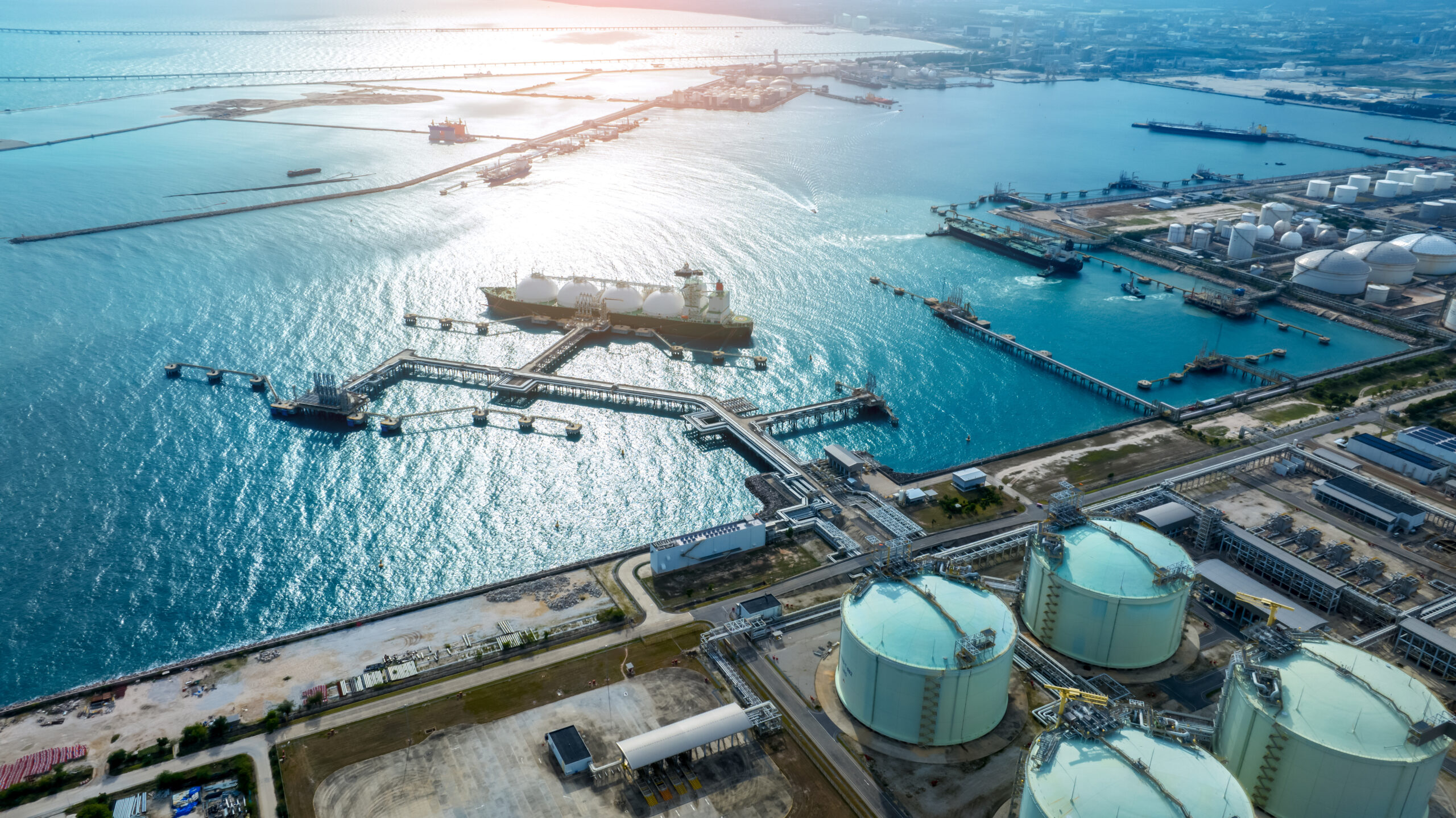
Policy Bulletin 002: Microleaks-No-Burst Safety Technology

Maritime policy bulletin 002 covers safe hydrogen storage, which will be critical across all transport vectors as well as maritime and in refuelling stations.

This summary of the innovative Microleaks-No-Burst technology for hydrogen storage developed by our researchers Vladimir Molkov, Dmitry Makarov, & Sergii Kashkarov is a solution that would meet stringent safety requirements exceeding that for fossil fuels!

To download the full policy bulletin please click the download button above.

To read more on advancing scale-up of maritime fuels and their safe use please see: Resources – UK National Clean Maritime Research Hub
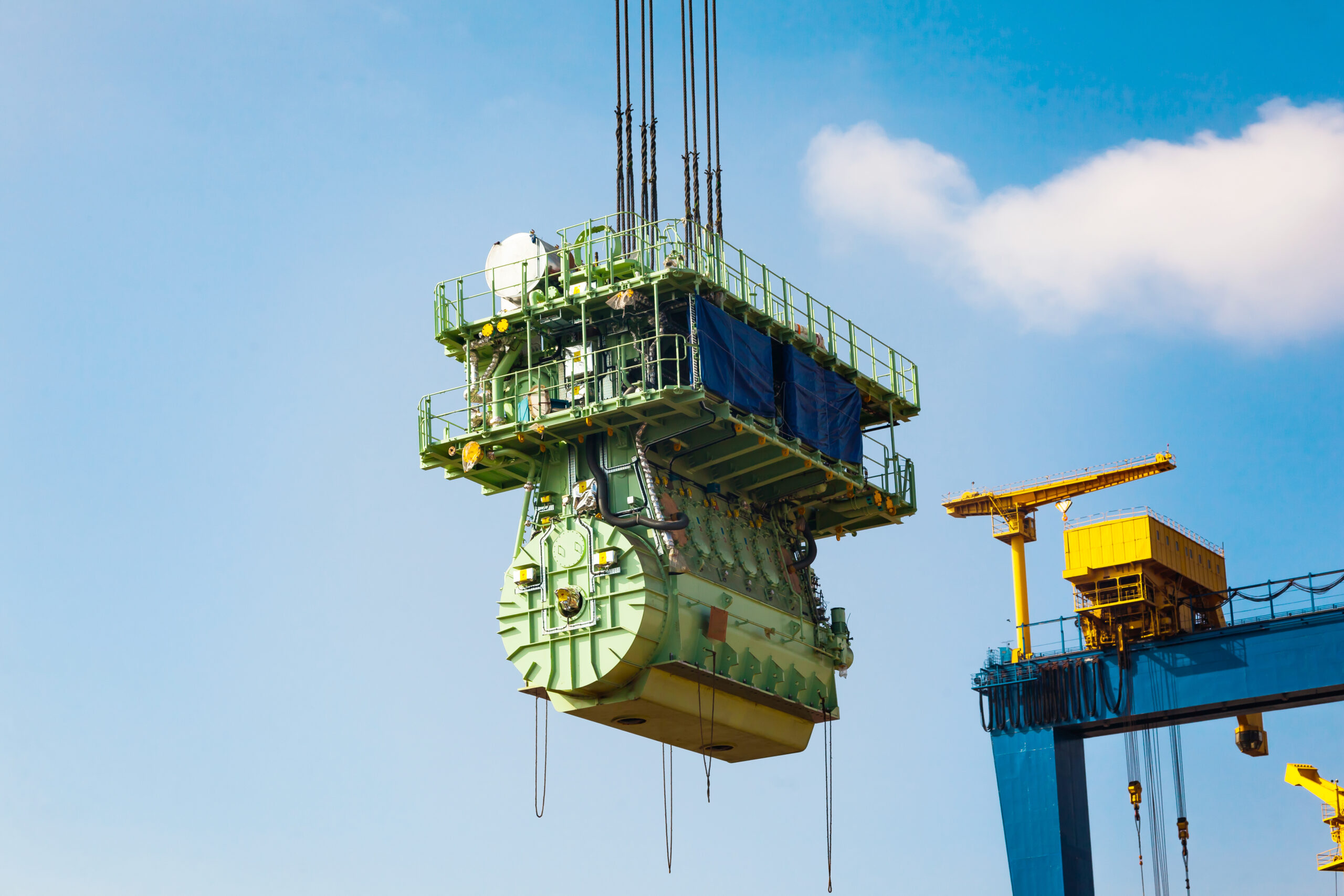
 

For bulletin 1 please see: Policy Bulletin 001: Eco-ships investment and price differentials – UK National Clean Maritime Research Hub
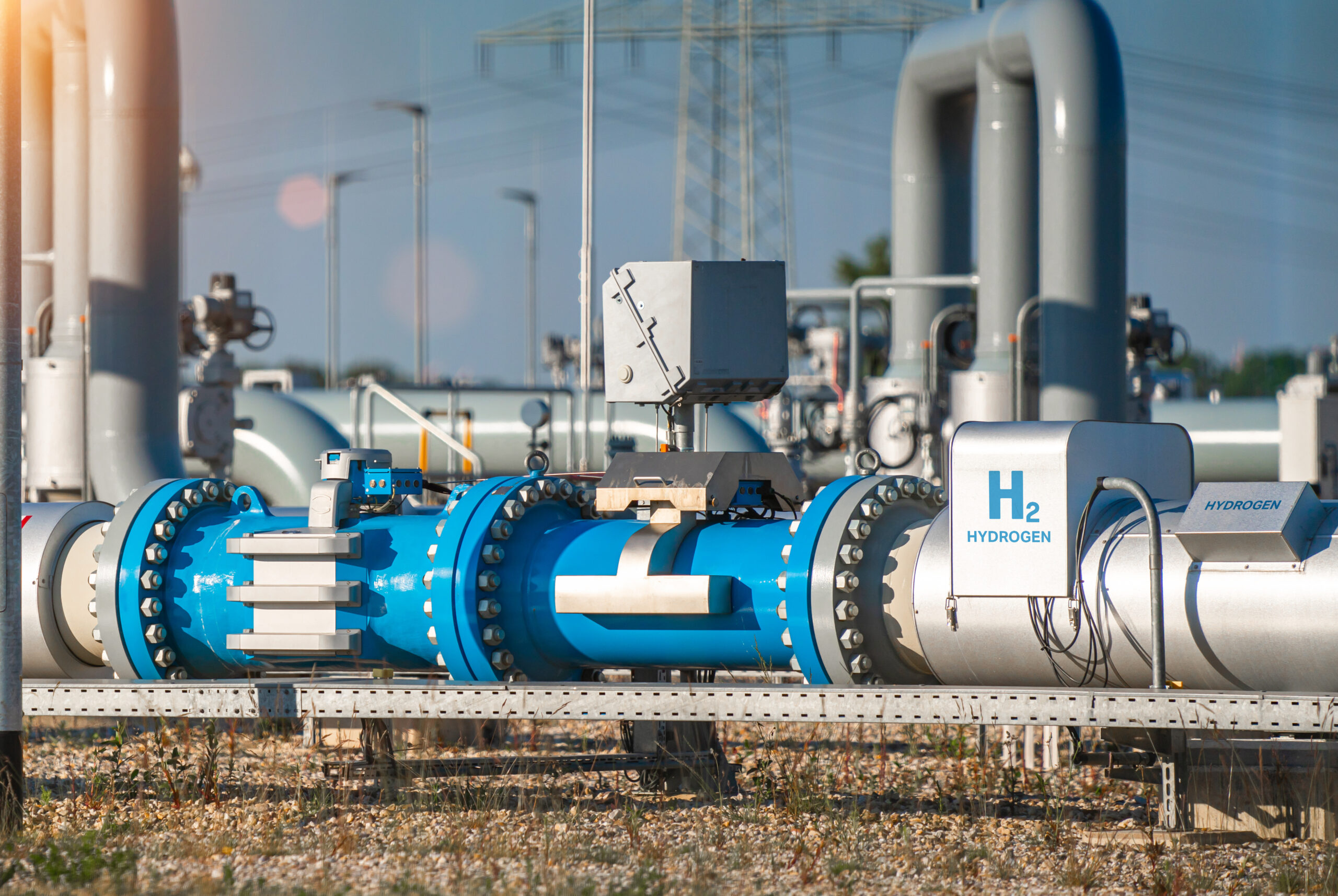
Optimizing Geometric Parameters of Planing Vessels for Enhanced Hydrodynamic Performance

“Abstract

The hydrodynamic performance of high-speed planing hulls has gained considerable interest, with recent advancements in computational fluid dynamics and hull design techniques enhancing the understanding of planing hull hydrodynamics. In this study, we conducted a numerical investigation using the Reynolds-averaged Navier-Stokes approach with overset grids to capture large motions at high speeds. This study aims to improve the hydrodynamic performances of planing hulls, specifically focusing on total resistance, trim, and sinkage. The initial Fridsma hull with a deadrise angle of 20° has been used for validation, demonstrating good agreement with measurements at different Froude numbers. Subsequently, new configurations based on the Fridsma hull have been designed by varying the deadrise angle, number of chines, and transverse steps. Our findings reveal a correlation between the deadrise angle, the number of chines, and the Froude number. As the deadrise angle increases, total resistance also increases. Additionally, a single chine yields superior results at higher Froude numbers, while multiple chines offer advantages at lower values. The introduction of transverse steps consistently increases total resistance, highlighting their role in improving planing hull performance. This research not only offers valuable insights into planing hull design but also leverages state-of-the-art numerical methods to advance the understanding of hydrodynamic behaviors at high ship speeds.”


Tayeb, R. et al. (2025) ‘Optimizing geometric parameters of planing vessels for enhanced hydrodynamic performance’, Journal of Marine Science and Application [Preprint]. doi:10.1007/s11804-025-00632-5.


The full report is accessible via: https://doi.org/10.1007/s11804-025-00632-5


For related publications please see Resources – UK National Clean Maritime Research Hub
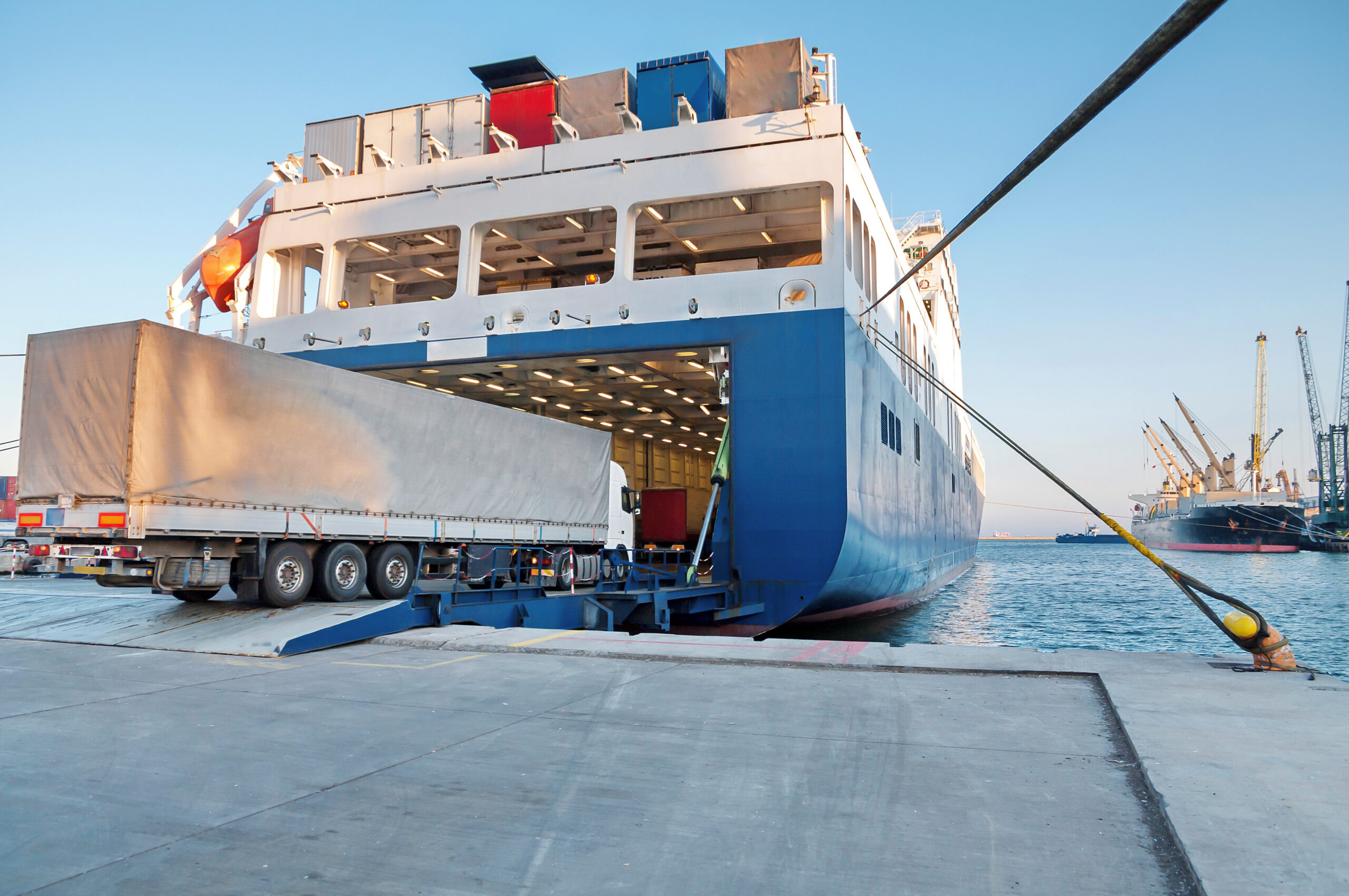
Ammonia Combustion: Internal Combustion Engines and Gas Turbines

“Abstract:

The quest for renewable energy sources has resulted in alternative fuels like ammonia, which offer promising carbon-free fuel for combustion engines. Ammonia has been demonstrated to be a potential fuel for decarbonizing power generator, marine, and heavy-duty transport sectors. Ammonia’s infrastructure for transportation has been established due to its widespread primary use in the agriculture sector. Ammonia has the potential to serve as a zero-carbon alternative fuel for internal combustion engines and gas turbines, given successful carbon-free synthesis and necessary modifications to legacy heat engines. While its storage characteristics surpass those of hydrogen, the intrinsic properties of ammonia pose challenges in ignition, flame propagation, and the emissions of nitrogen oxides (NOx) and nitrous oxide (N2O) during combustion in heat engines. Recent noteworthy efforts in academia and industry have been dedicated to developing innovative combustion strategies and enabling technologies for heat engines, aiming to enhance efficiency, fuel economy, and emissions. This paper provides an overview of the latest advancements in the combustion of neat or high-percentage ammonia, offering perspectives on the most promising technical solutions for gas turbines, spark ignition, and compression ignition engines.”


Eyisse, E.F., Nadimi, E. and Wu, D. (2024) ‘Ammonia combustion: Internal combustion engines and Gas Turbines’, Energies, 18(1), p. 29. doi:10.3390/en18010029.

The full report is accessible via: https://doi.org/10.3390/en18010029


For related publications please see Resources – UK National Clean Maritime Research Hub
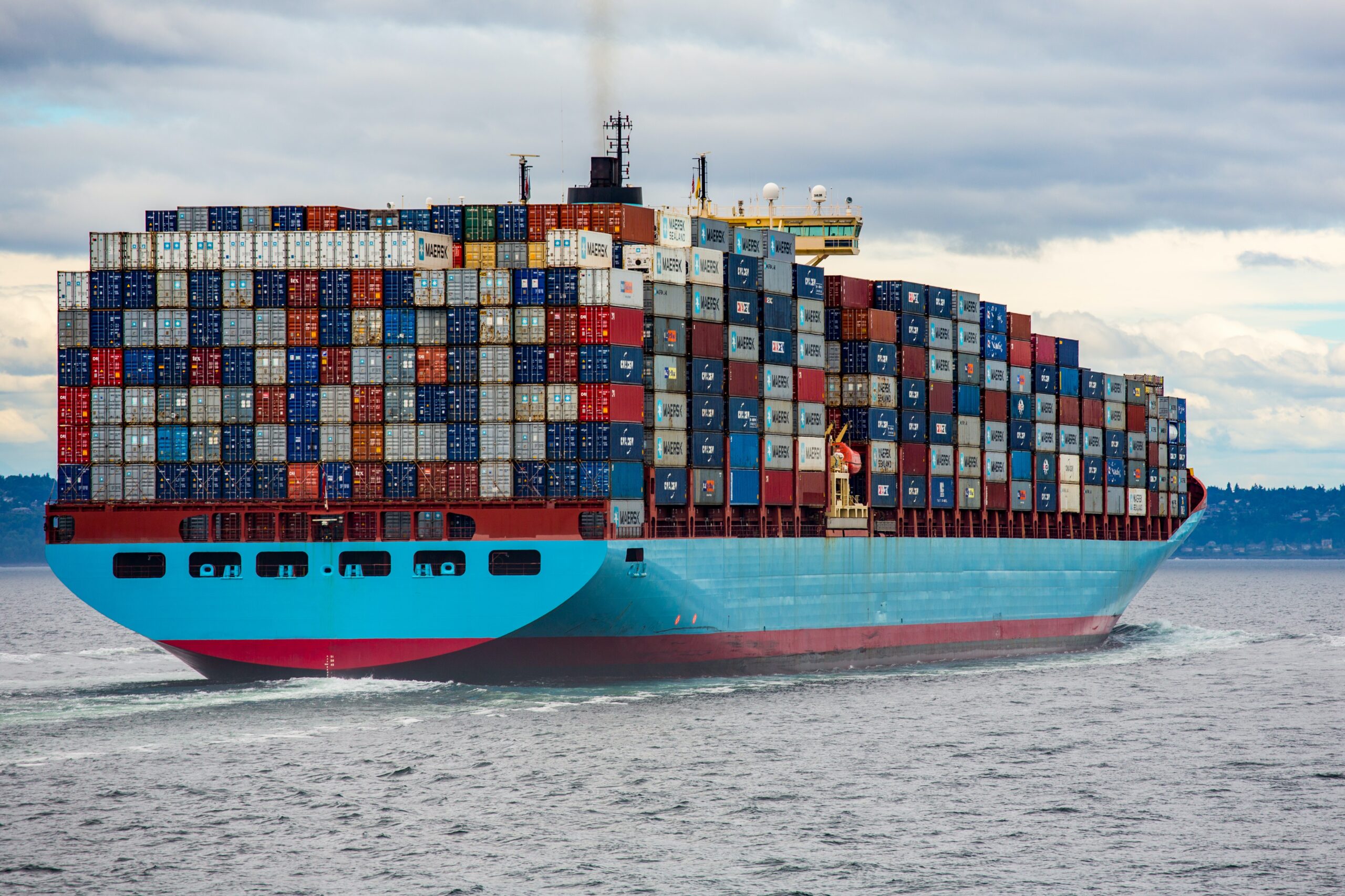
Integrated scheduling of gantry cranes, container trucks and yard cranes in on-dock railway operation areas at multimodal container ports

“Abstract

On-dock railway operation areas at sea-rail container ports play a crucial role in transferring containers between maritime and rail transportation systems. The operational efficiency of these areas depends on synchronizing rail and yard container handling equipment, including gantry cranes, container trucks, and yard cranes. However, time-sensitive container handling, seamless equipment coordination, and complex operational conflicts make multi-equipment scheduling a challenging decision-making problem. This study introduces an integrated scheduling method that both alleviates inter-equipment interferences and balances gantry cranes’ workloads. The underlying problem is formulated as a binary integer programming model using a novel space-time-state network. According to the specific model structure, a model reformulation method is proposed here to convert the original three-equipment scheduling model into a single-equipment scheduling version. Additionally, a Lagrangian relaxation-based heuristic is developed to efficiently solve the reformulated model. Numerical experiments are conducted to validate the effectiveness of the proposed solution approach under various instance settings and provide managerial insights into the problem. Computational results demonstrate that the effectiveness and efficiency of the proposed solution approach. Furthermore, the results also indicate that enhanced operational efficiency in the operation area can only be achieved when the railway and storage side handling capacities are well-matched.”

Xia, T., Wang, L, Zhang, Q., Dong, JX, Song, DP, Zhu, XN. (2024). Integrated scheduling of gantry cranes, container trucks and yard cranes in on-dock railway operation areas at multimodal container ports, IET Intelligent Transport Systems.

The full report is accessible via: https://doi.org/10.1049/itr2.12600

Liquid hydrogen refuelling at HRS: Description of sLH2 concept, modelling approach and results of numerical simulations

“Abstract

The paper considers the concept of efficient liquid hydrogen (LH2) refuelling at hydrogen refuelling stations (HRS), presents modelling approach and 3D transient CFD simulation results. The concept is based on the advantages of transforming hydrogen from equilibrium to a non-equilibrium sub-cooled state (sLH2) during compression at pump. The modelling approach comprises a thermodynamic model of LH2 transfer from the HRS tank to the pump exit and a two-phase CFD model from the pump exit through the HRS equipment, i.e. pipes with bends, automatic valve, breakaway, nozzle, and manifold to onboard storage tanks. Due to the absence of published experimental data, the modelling approach and simulations are verified against conceptual LH2 refuelling process available in the literature. The CFD model reproduces key LH2 refuelling parameters: flow rate, pressure, temperature dynamics, including non-uniform temperature in onboard tanks and predicts pipe cooldown from 88K to allowable temperatures corridor of 23.9–26.5 K.”


Molkov V, Ebne-Abbasi H, Makarov D. Liquid hydrogen refuelling at HRS: Description of sLH2 concept, modelling approach and results of numerical simulations. International Journal of Hydrogen Energy 2024;93:285–96.

The full report is accessible via: https://doi.org/10.1016/j.ijhydene.2024.10.392


For related publications please see Resources – UK National Clean Maritime Research Hub

The Implications of ‘Green Seaworthiness’ on the Insurability of Global Maritime Risk

“Abstract

The environmental impact of vessels is a prevalent concern for stakeholders throughout the maritime industry. Recent decarbonisation initiatives present new challenges to shipowners with potential far reaching implications. In the event of a vessel’s non-compliance with decarbonisation regulations, there is a risk of ‘green unseaworthiness’ and penalisation under marine insurance contracts. This study examines these implications from a legal and commercial perspective, through semi-structured elite interviews with 47 key stakeholders in the global maritime and marine insurance industries, and two focus groups with national governmental maritime policy makers. Ultimately, there are limited concerns from a physical risk perspective for marine insurers. However, from a reputational point of view, the moral hazard of non-compliance is a highly probable emerging risk for marine insurers, with potential knock-on effects to the maritime industry seeking risk transfer. Introducing innovative insurer-backed value propositions are recommended to mitigate such potential effects.”


Mackenzie, A., Bryce, C., Moutzouris, I. (2024), The Implications of ‘Green Seaworthiness’ on the Insurability of Global Maritime Risk, SSRN working paper, DOI: https://dx.doi.org/10.2139/ssrn.5039158

The full report is accessible via: https://dx.doi.org/10.2139/ssrn.5039158

For related publications please see Resources – UK National Clean Maritime Research Hub