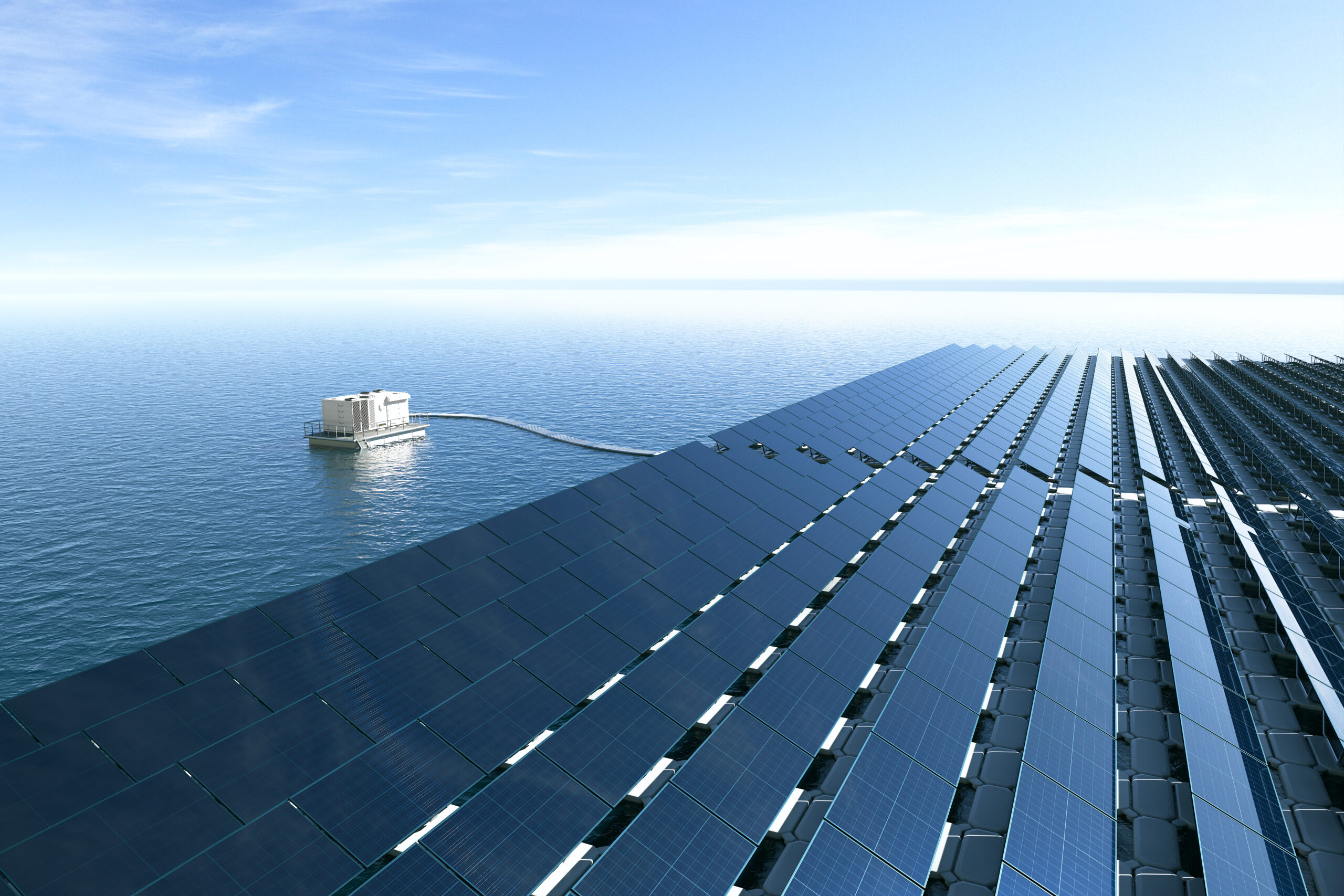
Policy Bulletin 009: Floating Solar Power for Maritime Decarbonisation

Decarbonisation at seaports is constrained by limited land availability, grid capacity, and infrastructure. This bulletin summarises research assessing the potential for floating solar power (FSP) systems to provide renewable electricity for port operations and vessel charging.


Some key findings from installing FSP systems at seaports:

  • Can reduce reliance on grid electricity and fossil-based fuels
  • Lower energy storage requirements and improve system efficiency, supporting more stable energy supply
  • Payback periods are relatively short c.3–4 years under favourable conditions
  • Emissions reductions are significant compared to conventional diesel-based energy systems (on a whole life cycle basis)
  • With wireless charging infrastructure FSP provides a scalable pathway to electrifying vessels, particularly ferries and short-sea shipping.

Overall, floating solar can provide a viable, port-based renewable energy solution, contributing to maritime decarbonisation while overcoming land and infrastructure constraints.


Policy Recommendations:

Financial support and policy mechanisms can accelerate the adoption of FSP technologies, wider electrification of the maritime sector and contribute to the UK’s net zero emissions target.


This bulletin is based on a publication by Qing QinLukman AdeboyeKhalifa Aliyu Ibrahim, Patrick Luk, Ying XiePatrick VerdinZhenhua Luo, Luofeng Huang titled “Techno-economic and environmental assessment of floating solar power with innovative charging systems for decarbonizing maritime operations in the UK“.


Recommended citation:

Xie, Y.& Copeland, C. L. (2026). Floating Solar Power for Maritime Decarbonisation. UK National Clean Maritime Research Hub. https://doi.org/10.5281/zenodo.21469561


To download the full policy bulletin, please click the download button above.

To read other bulletins, please see: Resources – UK National Clean Maritime Research Hub
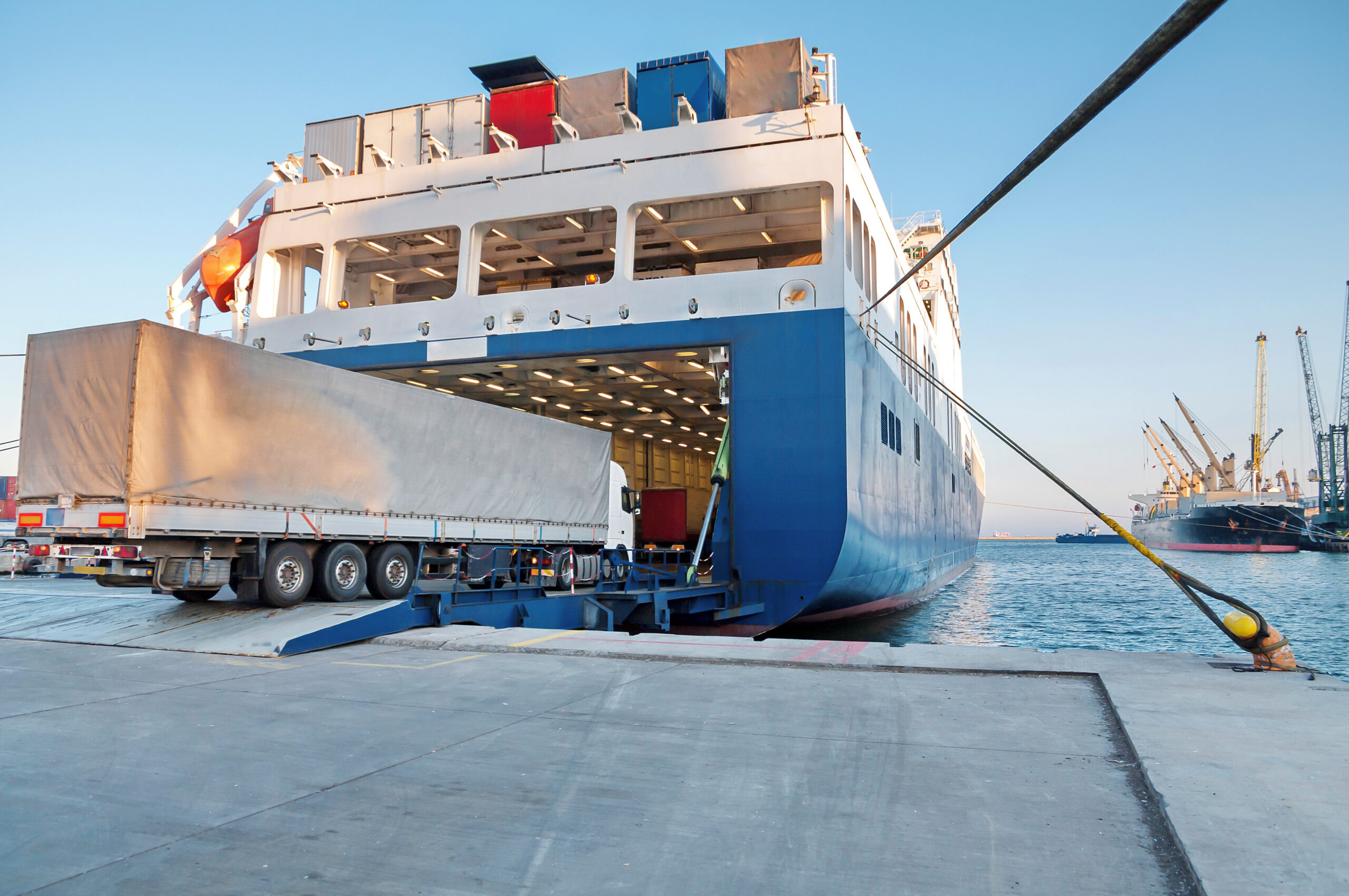
Policy Bulletin 008: Port emissions reduction through energy-aware ferry scheduling

Ferry ports have limited shore power (cold ironing) facilities, and ferry fleets are in the process of transitioning to hybrid (diesel and electric battery power) vessels. This research demonstrates that optimising berth allocations can deliver immediate reductions in port emissions while increasing the return on investment in shore-power infrastructure, while serving the same travel demand, and reducing the need for grid upgrades.

Key findings:

  • Energy-Aware Scheduling modelling can reduce emissions by 12-40% and reduce diesel fall back at berth
  • Shore power sees further emissions reduction up to 70% with a ferry fleet transition to  hybrid
  • Fewer, fuller crossings can reduce emissions per crossing by up to 40% this is by sharing flexible freight across operators while meeting each operator’s car demand.

Policy recommendations:

  • Make energy aware scheduling a priority throughout transition phases
  • Timing upgrades to the grid and battery reinforcement based on evidence of optimisation will reduce overbuild risk

This bulletin is based on a publication by Dr Asefe Forghani, Professor Ying Xie, Dr Mahdi Jahangard, Professor Dongping Song and Dr Yuanjun Feng titled “Energy-aware scheduling and berth allocation for ferries under phased cold ironing upgrades


Recommended citation:

Forghani, A.& Copeland, C. L. (2026). Port emissions reduction through energy-aware ferry scheduling. UK National Clean Maritime Research Hub. https://doi.org/10.5281/zenodo.21455158


To download the full policy bulletin, please click the download button above.

To read other bulletins, please see: Resources – UK National Clean Maritime Research Hub
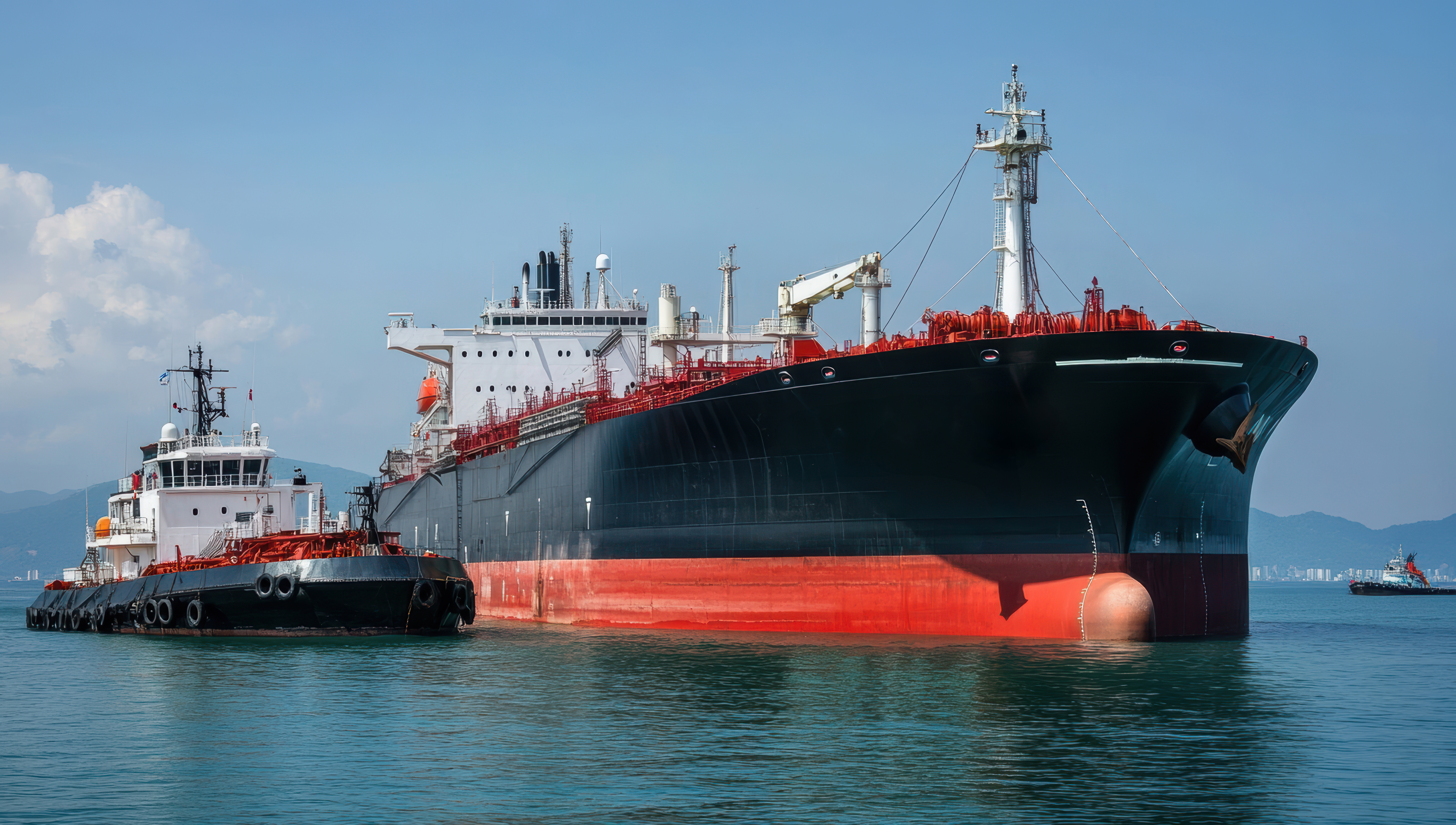
Policy Bulletin 007: CO2 Emission Reduction Technologies for Shipping

Maritime policy bulletin 007 covers CO2 emission reduction technologies for shipping.

In recent years maritime shipping has emitted approx. one gigatonne of carbon dioxide (CO2) per annum. Based on current trends this is projected to increase 150-250% by 2050, but the International Maritime Organisation has set targets of 30% reduction by 2030 and net-zero by 2050.

This work reviewed the potential for different emission reduction technologies to reach those targets.

This bulletin is based on a recent publication by Dr Sina Fadaie,  Professor Jean-Baptiste R. G. Souppez and Professor Patricia Thornley titled A systematic review of technologies, measures, and CO2 emission reduction potential for maritime transport decarbonisation.

To download the full policy bulletin, please click the download button above.

To read other bulletins, please see: Resources – UK National Clean Maritime Research Hub


Suggested citation:

Fadaie, S., Souppez, J.-B., Thornley, P., & Copeland, C. L. (2025). CO2 Emission Reduction Technologies for Shipping. UK National Clean Maritime Research Hub. https://doi.org/10.5281/zenodo.20141891

Policy Bulletin 006: Regional Ports – economic and emissions advantages

Maritime policy bulletin 006 covers the economic and emissions advantages of regional ports.

Ports and shipping are subject to increasing pressure to decarbonise. This provides opportunities to reconsider shipping routes and to enhance port competitiveness. This bulletin provides an overview of an economic and environmental impact assessment of rerouting Asia-Europe deep sea container ships via the Port of Liverpool as a case study.

The findings could support a place-based policy strategy to promote the use of regional ports in deep-sea container shipping. This would lead to lower logistics costs and lower emissions contributing to achieving national decarbonisation targets.

This bulletin is based on a recent publication by Prof. Dong-Ping Song titled Rethinking Routes: The Case for Regional Ports in a Decarbonizing World.

To download the full policy bulletin, please click the download button above.

To read other bulletins, please see: Resources – UK National Clean Maritime Research Hub
 

Suggested citation:

Song, D., & Copeland, C. L. (2025). Regional Ports – economic and emissions advantages. UK National Clean Maritime Research Hub. https://doi.org/10.5281/zenodo.20141611

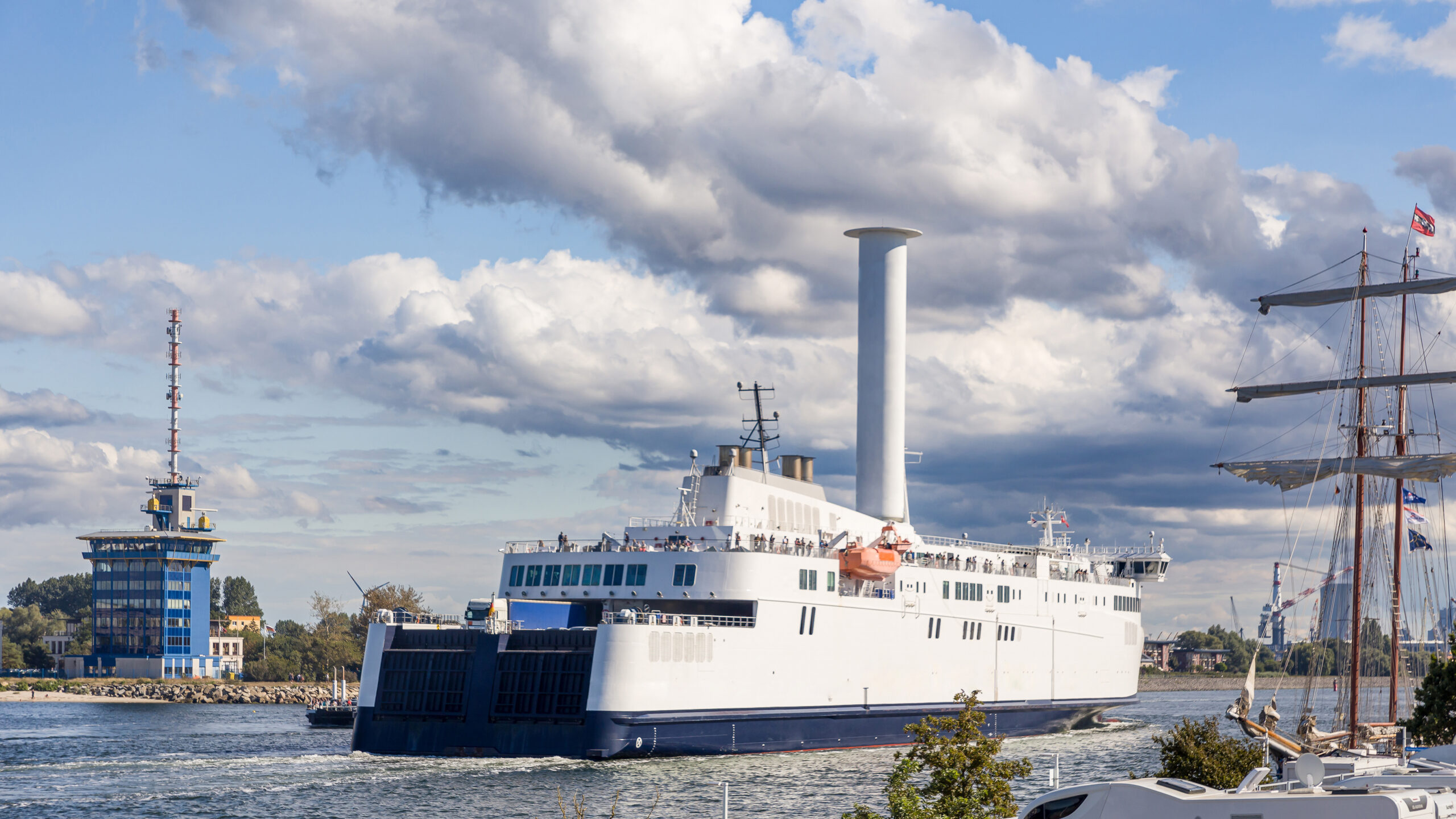
Policy Bulletin 005: Wind Assisted Ship Propulsion for Decarbonisation

Maritime policy bulletin 005 covers Wind Assisted Ship Propulsion for Decarbonisation.

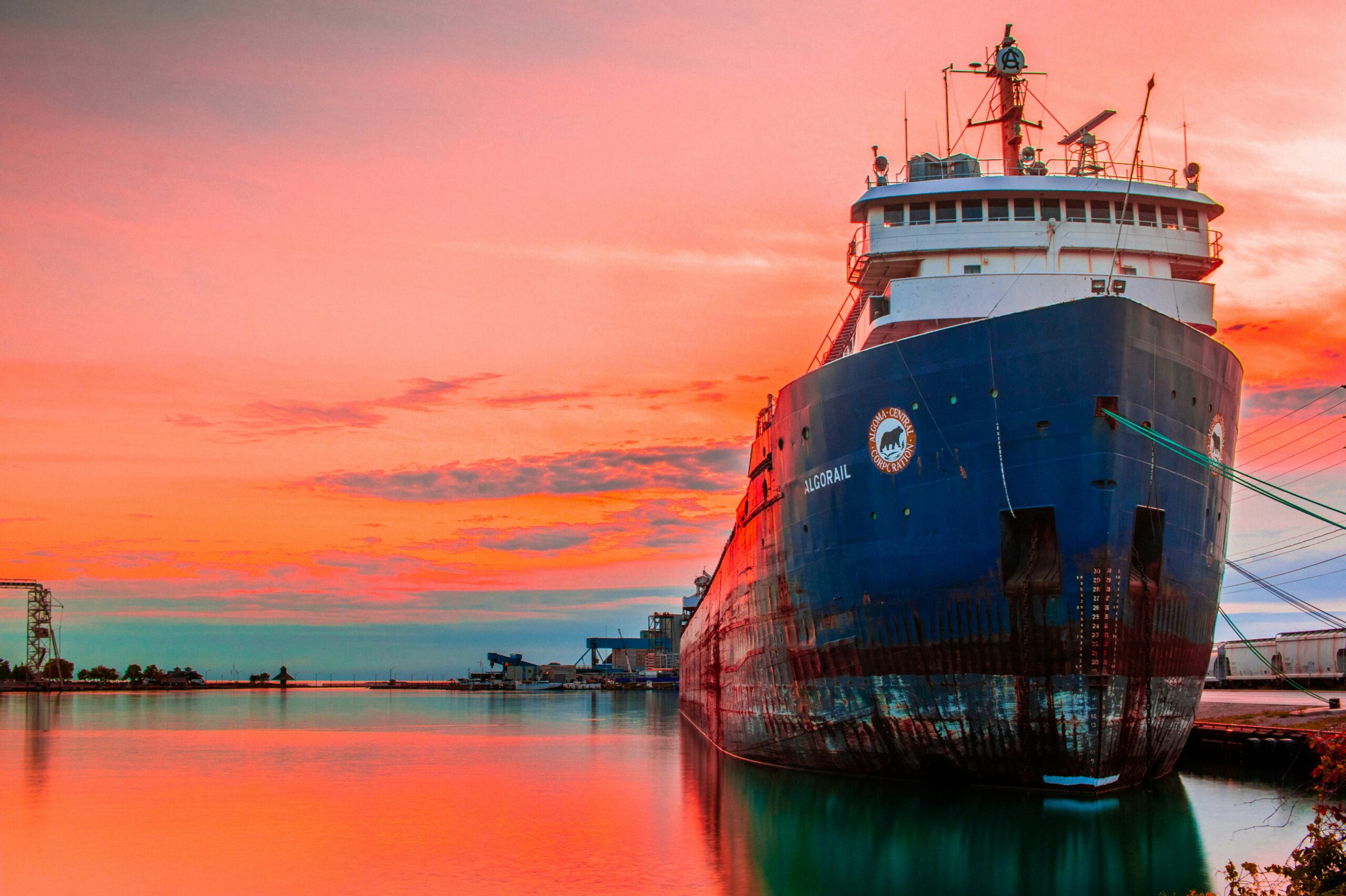
A key focus of maritime decarbonisation is on alternative fuels but availability, costs,logistical and safety concerns remain a barrier to adoption. Wind propulsion, a historically proven and readily available technology, is now being adopted in new innovative ways to significantly reduce greenhouse gas (GHG) emissions. This bulletin summarises the state of the art and policy challenges in promoting wind-assisted ship propulsion.

This bulletin is based on a recent publication by Mr Jiajie Huang and  Prof. Jean-Baptiste Souppez titled  State of the Art in Wind Assisted Ship Propulsion for Maritime Decarbonisation and Sustainable Shipping: A Systematic Review.

To download the full policy bulletin, please click the download button above.

To read other bulletins, please see: Resources – UK National Clean Maritime Research Hub
 

Suggested citation:

Souppez, J.-B., Huang, J., & Copeland, C. L. (2025). Wind Assisted Ship Propulsion for Decarbonisation. UK National Clean Maritime Research Hub. https://doi.org/10.5281/zenodo.20141574

Policy Bulletin 004: Scrubber investment and market prices

Maritime policy bulletin 004 covers scrubber investment and market prices.

The International Maritime Organisation (IMO) introduced in 2020 a regulation restricting sulphur shipping emissions to 0.5%. Rather than purchasing more expensive low sulphur fuels, a scrubber can be installed on ships to meet this regulation with conventional fuel. Scrubber installation is a shipping technology that has high capital expenditure but enhances profitability. This is due to fuel cost savings when operating the vessel or higher freight income when leasing it out. Volatile fuel prices and freight rates mean that making such investment decisions is challenging.

This bulletin is based on research by Dr. Yao Shi and Dr. Ioannis Moutzouris of City St. Georges, University of London.

To download the full policy bulletin, please click the download button above.

To read other bulletins, please see: Resources – UK National Clean Maritime Research Hub

 

Suggested citation:

Shi, Y., Moutzouris, I., & Copeland, C. L. (2025). Scrubber investment and market prices. UK National Clean Maritime Research Hub. https://doi.org/10.5281/zenodo.20141537

Policy Bulletin 003: The economics of shipping decarbonisation

Maritime Policy Bulletin 003 explores the economics of shipping decarbonisation, offering financial insights into how effectively the maritime industry is aligning environmental objectives with economic performance.

Policy Bulletin 003 draws on the publication by Dr. Yao Shi and Dr. Ioannis Moutzouris of City St George’s, University of London, entitled “The economics of shipping decarbonisation: Carbon, production, and allocative efficiencies”.

This bulletin presents a summary of allocation efficiency across 14 vessel types. It highlights key findings on carbon efficiency and provides financial perspectives that inform actionable policy recommendations aimed at accelerating the adoption of greener fuels.

To download the full policy bulletin please click the download button above.

To explore other bulletins, visit:  Resources – UK National Clean Maritime Research Hub
 

Suggested citation:

Moutzouris, I., Shi, Y., & Copeland, C. L. (2025). The economics of shipping decarbonisation. UK National Clean Maritime Research Hub. https://doi.org/10.5281/zenodo.20141495

Policy Bulletin 002: Microleaks-No-Burst Safety Technology

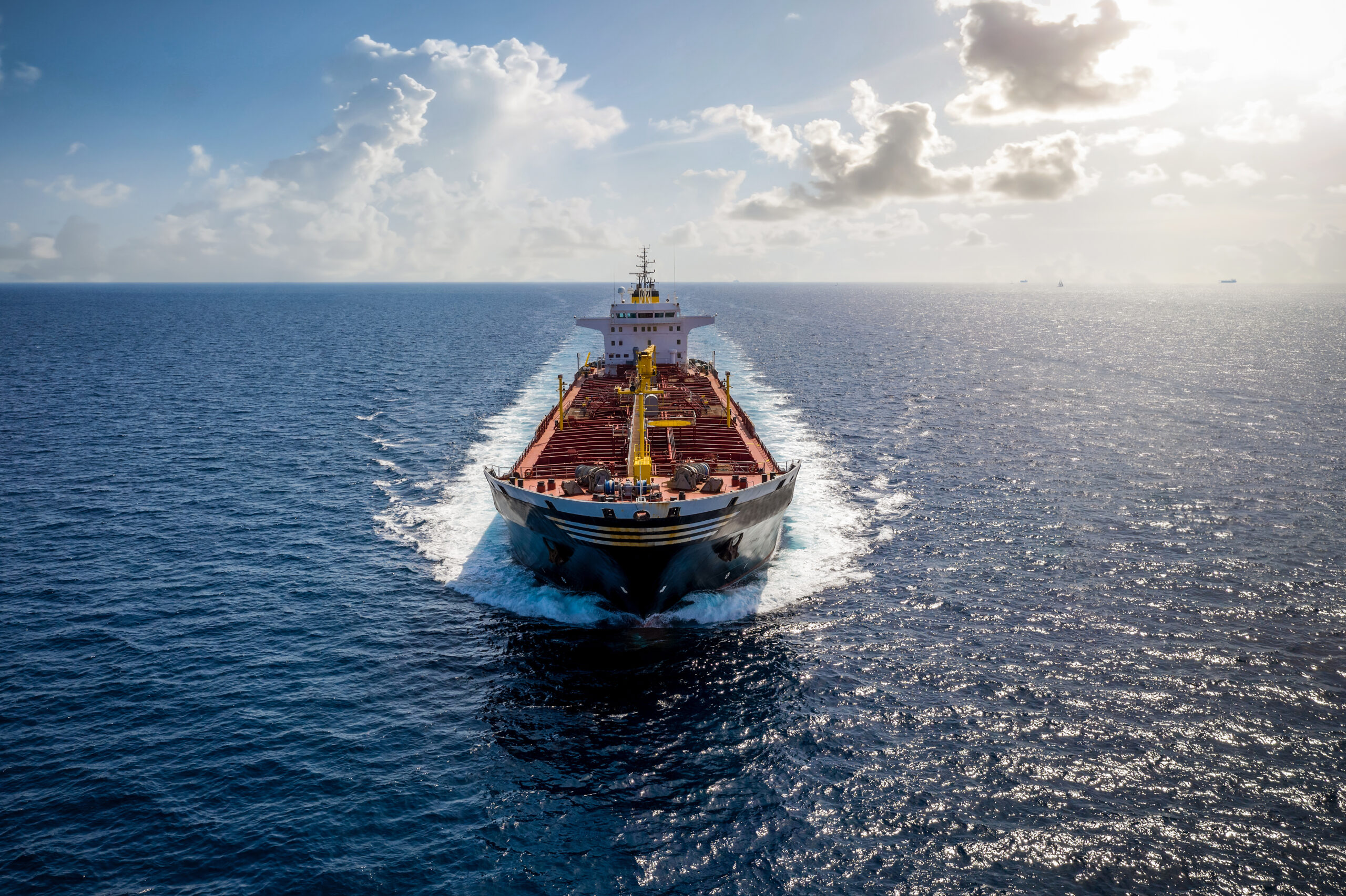
Maritime policy bulletin 002 covers safe hydrogen storage, which will be critical across all transport vectors as well as maritime and in refuelling stations.

This summary of the innovative Microleaks-No-Burst technology for hydrogen storage developed by our researchers Vladimir Molkov, Dmitry Makarov, & Sergii Kashkarov is a solution that would meet stringent safety requirements exceeding that for fossil fuels!

To download the full policy bulletin please click the download button above.

To read more on advancing scale-up of maritime fuels and their safe use please see: Resources – UK National Clean Maritime Research Hub
 

For bulletin 1 please see: Policy Bulletin 001: Eco-ships investment and price differentials – UK National Clean Maritime Research Hub


Suggested citation:

Molkov, V., & Copeland, C. L. (2025). Microleaks-No-Burst Safety Technology: Self-venting in a fire for TPRD-less hydrogen storage tanks. UK National Clean Maritime Research Hub. https://doi.org/10.5281/zenodo.20141386

Policy Bulletin 001: Eco-ship investment and price differentials

There are insufficient financial incentives to stimulate eco-ship investment (where engines are more fuel efficient) risking missing emissions reduction targets.

In this research by Clean Maritime Research Hub’s Dr Ioannis Moutzouris and colleagues the price differentials are explored using data over recent years.

Policy recommendations include the need for:

  • Clarity and certainty around market-based measures and alternative fuels regulations
  • Green finance options to encourage investment in eco-ships
  • Fossil fuel levies to discourage conventional ship use and encourage eco-ship investment

You may also be interested in Determinants of the price premium for eco vessels – UK National Clean Maritime Research Hub


Suggested citation:

Moutzouris, I., & Copeland, C. L. (2025). Eco-ships investment and price differentials. UK National Clean Maritime Research Hub. https://doi.org/10.5281/zenodo.20139293