Carbon Efficiency and Asset Pricing in Dry Bulk Shipping: Capesize and Panamax Bulkers

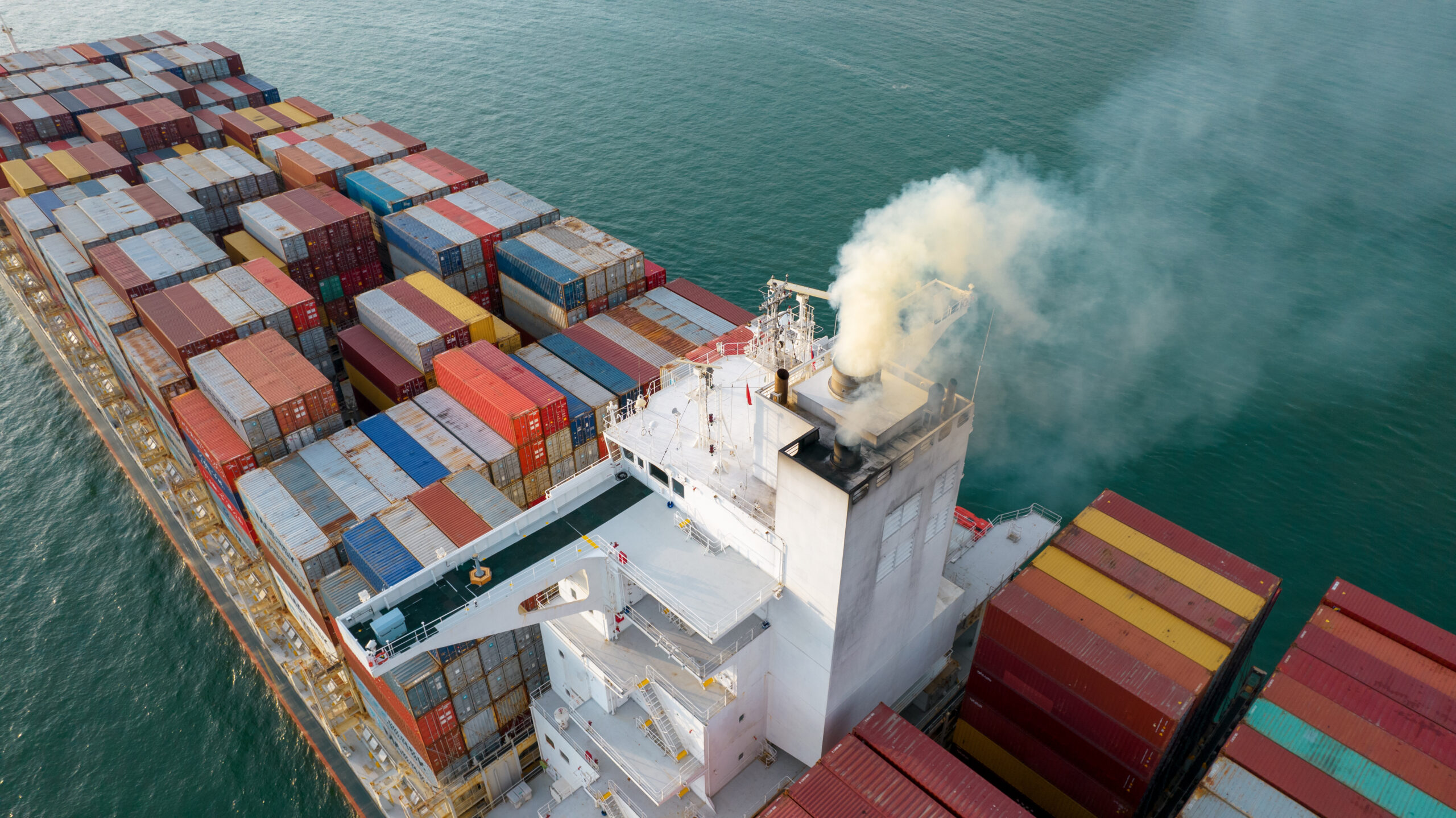
A new white paper from Veson Nautical and Bayes Business School explores how IMO indicators are shaping vessel values in the bulk market. Using several years of data, the study highlights how efficiency performance, regulatory pressure, and market conditions interact to influence asset pricing across Capesize and Panamax vessels.

This resource will be particularly valuable for stakeholders seeking to understand how decarbonisation pressures are translating into real market outcomes.


The full white paper is available through this link: Carbon Efficiency and Asset Pricing in Dry Bulk Shipping – Veson Nautical

FuelEU Maritime: Proposed Modification for the Non-Compliance Penalty Calculation

The European Union (EU) has implemented a tougher than IMO emission intensity indicator requirement for shipping. Under the FuelEU Maritime regulations a penalty applies where vessels are non-compliant to set greenhouse gas emission limits. In this Policy Briefing we outline why the penalty calculation is problematic – that it introduces distortions and undermines regulation objectives.

This policy briefing argues that:

  • The current formula calculates a penalty that is weaker for higher emitters, causes unequal treatment for fleets with the same level of non-compliance balance, and complicates the pooling mechanism.
  • Proposed modification would be to replace the Actual GHG Intensity with the Target GHG Intensity in the penalty payment calculation.
  • For the UK Government, in the expected fuel standard consultation and implementation, we recommend that such distorting effects are avoided rather than harmonising with the EU.

This policy briefing is based on the research and policy expertise of Professor Dongping Song, and Dr Claire Copeland.

IMO Short-term Measures: A Review of the Carbon Intensity Indicator (CII)

The Carbon Intensity Indicator (CII) is one of the short-term measures introduced by the International Maritime Organization (IMO) to reduce greenhouse gas emissions from shipping. This policy brief reviews the measure and provides improvement recommendations, focusing on how emission standards at sea and at port should be dealt with.

Key Highlights:

  • CII is currently insufficient for capturing emissions accurately at sea and at port and incentivising emission reduction
  • A range of revision options could be considered such as excluding port emissions, adjustments for time at port, or separate metrics for at sea and at port
  • Other areas that could be considered include allowance for actual cargo, well- to-wake emissions, and pilot fuel

Recommended revision for CII is to use separate metrics for at sea and at port emissions.

This policy briefing is based on research undertaken by Dr Ioannis Moutzouris, Dr Yao Shi, and Dr Claire Copeland.

Achieving the global net-zero maritime shipping goal: The urgencies, challenges, regulatory measures and strategic solutions

“Abstract

Maritime shipping emissions have been identified as a remaining issue and have been the key focus for a decade. This study systematically summarises the Imperatives, Challenges, Strategic Regulatory and R&D Measures based on our investigations and analysis. In addition to the strategies and measures we gathered and brought here for the goal of a clean maritime world, some tactical technology gaps were identified along with a breakthrough technology development idea to integrate marine vessel design and efficiency processes systematically.”


Achieving the Global Net-Zero Maritime Shipping Goal: The Urgencies, Challenges, Regulatory Measures and Strategic Solutions, Liu, P*; Xu, Y; Turkmen, S; Xie, X; Fan, S; Ghassemi, H; He, G; “Short Communication”

The full communication is accessible via: Achieving the global net-zero maritime shipping goal: The urgencies, challenges, regulatory measures and strategic solutions – ScienceDirect

EMERGING RISKS IN MARINE DECARBONISATION: Time to set sail

Authored by Andrew Mackenzie FCII (Marine Claims Adjuster), and co-authored by Bayes Business School academics Dr Cormac Bryce and Dr Ioannis Moutzouris (a member of the UK National Clean Maritime Research Hub Consortium, and theme lead for advances in maritime operations, exploitation of digitalisation and green finance), this whitepaper provides an overview and guidance for insurers and ship owners in light of  International Maritime Organisation regulations.


To download a copy of the whitepaper please visit Emerging Risks in Marine Decarbonisation: Time to set sail (atrium-uw.com)