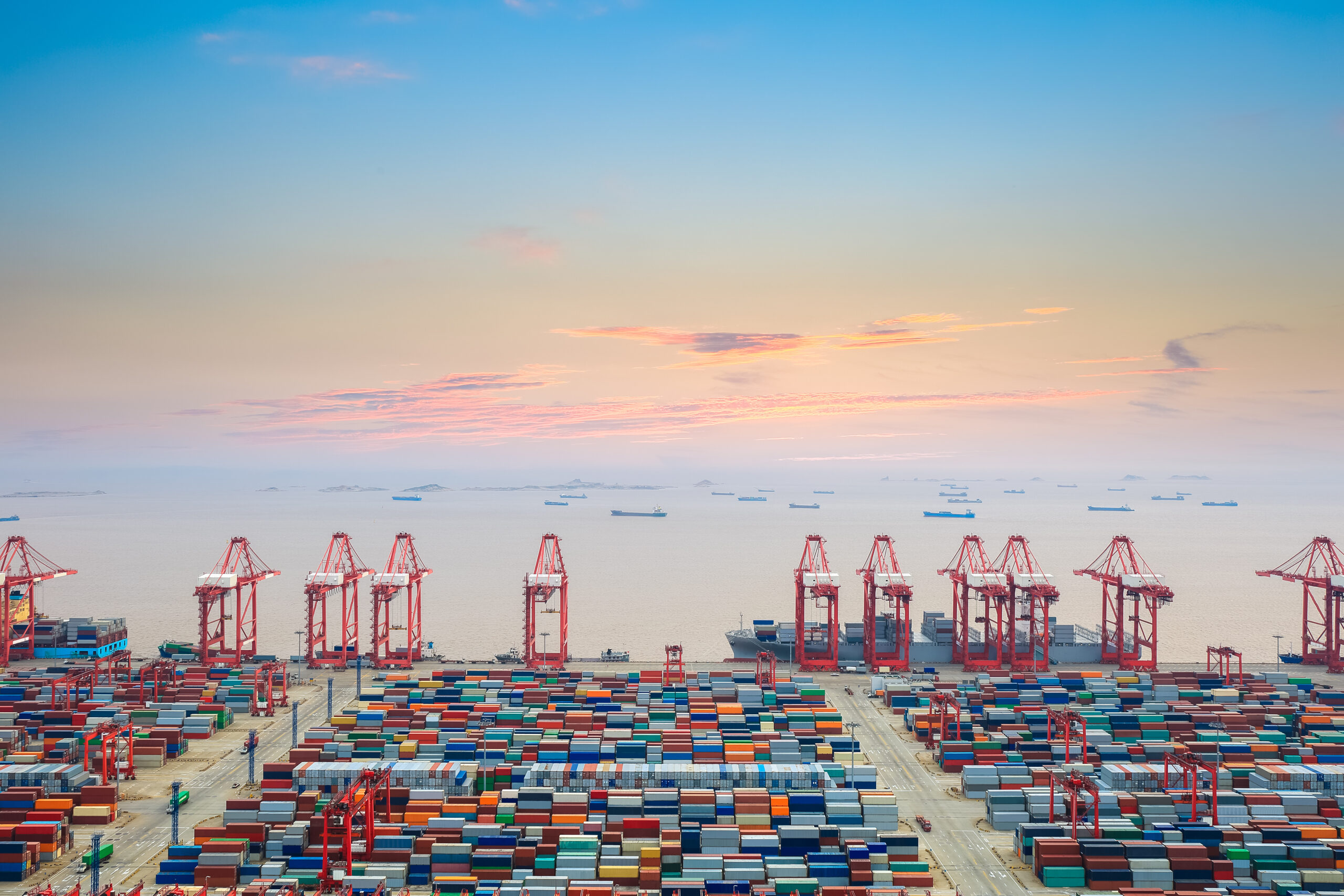
Rethinking Routes: The Case for Regional Ports in a Decarbonizing World
“Abstract
Background: Increasing regulatory pressure for maritime decarbonization (e.g., IMO CII, FuelEU) drives adoption of low-carbon fuels and prompts reassessment of regional ports’ competitiveness. This study aims to evaluate the economic and environmental viability of rerouting deep-sea container services to regional ports in a decarbonizing world. Methods: A scenario-based analysis is used to evaluate total costs and CO2 emissions across the entire container shipping supply chain, incorporating deep-sea shipping, port operations, feeder services, and inland rail/road transport. The Port of Liverpool serves as the primary case study for rerouting Asia–Europe services from major ports. Results: Analysis indicates Liverpool’s competitiveness improves with shipping lines’ slow steaming, growth in hinterland shipment volume, reductions in the emission factors of alternative low-carbon fuels, and an increased modal shift to rail matching that of competitor ports (e.g., Southampton). A dual-port strategy, rerouting services to call at both Liverpool and Southampton, shows potential for both economic and environmental benefits. Conclusions: The study concludes that rerouting deep-sea services to regional ports can offer cost and emission advantages under specific operational and market conditions. Findings on factors and conditions influencing competitiveness and the dual-port strategy provide insights for shippers, ports, shipping lines, logistics agents, and policymakers navigating maritime decarbonization.”
Song, DP. (2025). Rethinking Routes: The Case for Regional Ports in a Decarbonizing World. Logistics, 9(3), 103.
The full report is accessible via: https://doi.org/10.3390/logistics9030103
For related publications please see Resources – UK National Clean Maritime Research Hub