The Consortium
There are over 40 people working across the UK-MaRes Hub, including the Director, Co-Directors, Co-Investigators, Researchers, Technicians and Professional Service Staff, all passionate about driving forward the research and innovation needed to create meaningful change across the sector. See below to find out more about the people involved.
Filter by
Dr Samir Belhenniche
Postdoctoral Research Associate (School of Engineering) at Newcastle University
Dr. Samir Belhenniche is a Postdoctoral Research Associate in the School of Engineering at Newcastle University. He obtained his Doctor of Sciences degree in Naval Hydrodynamics from the University of Sciences and Technology of Oran (Algeria) and has accumulated more than ten years of combined academic and industrial experience in the field of marine and naval engineering.
His research focuses on several key areas of naval hydrodynamics, including marine propeller design and cavitation, marine propeller noise, computational fluid dynamics (CFD) modelling. He is also actively involved in research related to ship resistance and propulsion, seakeeping performance, experimental investigations in naval hydrodynamics and zero-net shipping.

Dr Xiang Xie
NUAcT Fellow: Data and Digital at Newcastle University
Dr Xiang Xie is the Built Environment Fellow of the 1851 Royal Commission, and the Academic Track Fellow at the School of Engineering, Newcastle University. Before 2022, he was a Postdoctoral Research Associate at the Department of Engineering, University of Cambridge, and the UK Centre for Digital Built Britain (CDBB) since 2018.
Dr Xie’s research interests focus on data-driven asset management for smart infrastructure. He applied machine learning, knowledge graphs, and digital twins to facilitate the digital transformation of urban built environments and maritime domains. His work was awarded the Charles Manby Prize by ICE in 2024.
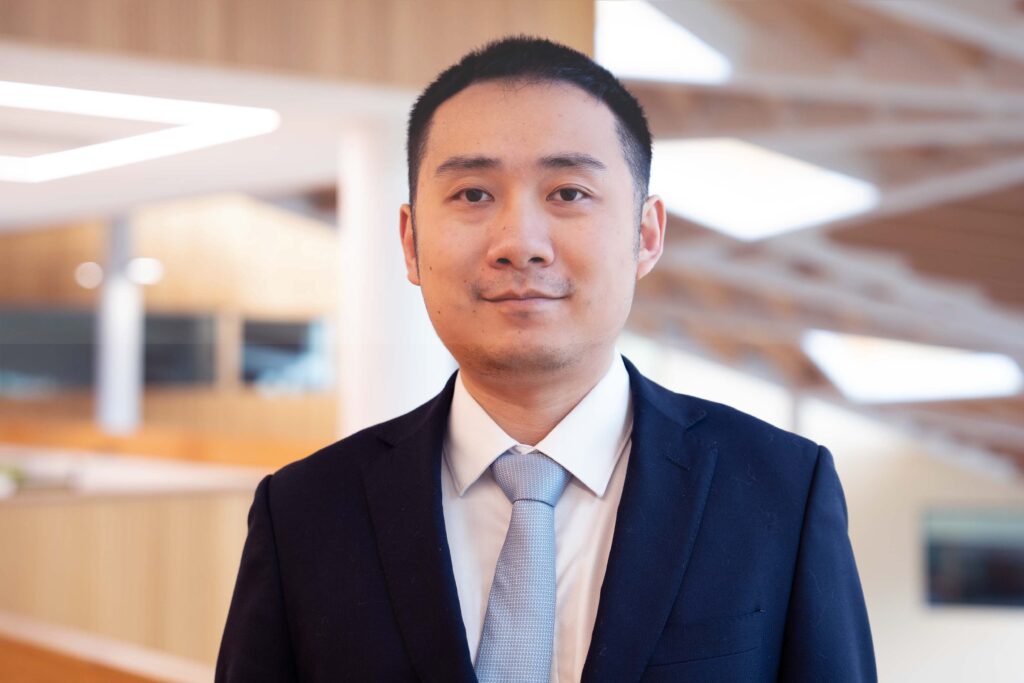
Dr Zhongsheng Deng
Research Associate at Newcastle University
Zhongsheng Deng is a researcher in computational fluid dynamics (CFD), fluid–structure interaction (FSI), and marine aero-hydrodynamics, with a focus on numerical modelling of complex offshore and renewable energy systems. His work closely related to clean maritime and offshore decarbonisations, particularly in the analysis and optimisation of large-scale marine structures operating under harsh environmental loading.
He is currently based at Newcastle University, where his research integrates high-fidelity CFD and finite element analysis to investigate coupled fluid–structure behaviour in offshore wind turbines and related marine energy systems. He has extensive experience using industrial and research-grade tools, including OpenFOAM, ANSYS Fluent, Abaqus CAE, and CalculiX.
His research interests include aeroelasticity of composite blades, wave–structure interaction, and multi-physics modelling for offshore renewable energy systems. He has contributed to collaborative projects with academic and industrial partners and has experience in postgraduate CFD teaching and supervision. His current research focuses on the development of robust numerical frameworks for predicting structural response and improving the performance and reliability of offshore wind turbine blades within complex marine environments, supporting the transition toward low-carbon maritime and offshore energy systems.
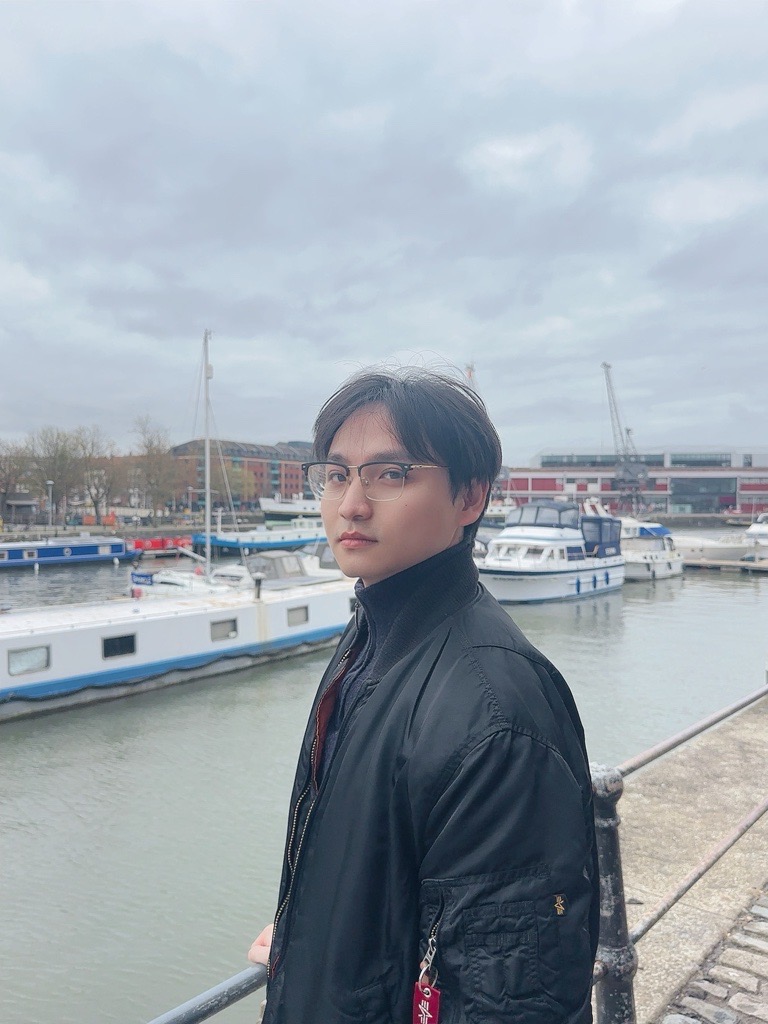
Professor Zhiqiang Hu
Lloyds Prof of Offshore Engineering at Newcastle University
Prof. Zhiqiang Hu is the Lloyd’s Professor of Offshore Engineering and the Head of the Marine, Offshore, and Subsea Technology Group at the School of Engineering, Newcastle University. He earned his bachelor’s degree in Ship Engineering, as well as his master’s and doctoral degrees in Naval Architecture and Ocean Engineering, from Shanghai Jiao Tong University.
Prof. Hu serves as Deputy Editor of the Journal of Ocean Engineering and is a member of the ISSC V.6 committee and the Royal Institution of Naval Architects (RINA). His research focuses primarily on offshore renewable energy, offshore hydrodynamics, and the collision and grounding of ships and offshore structures.