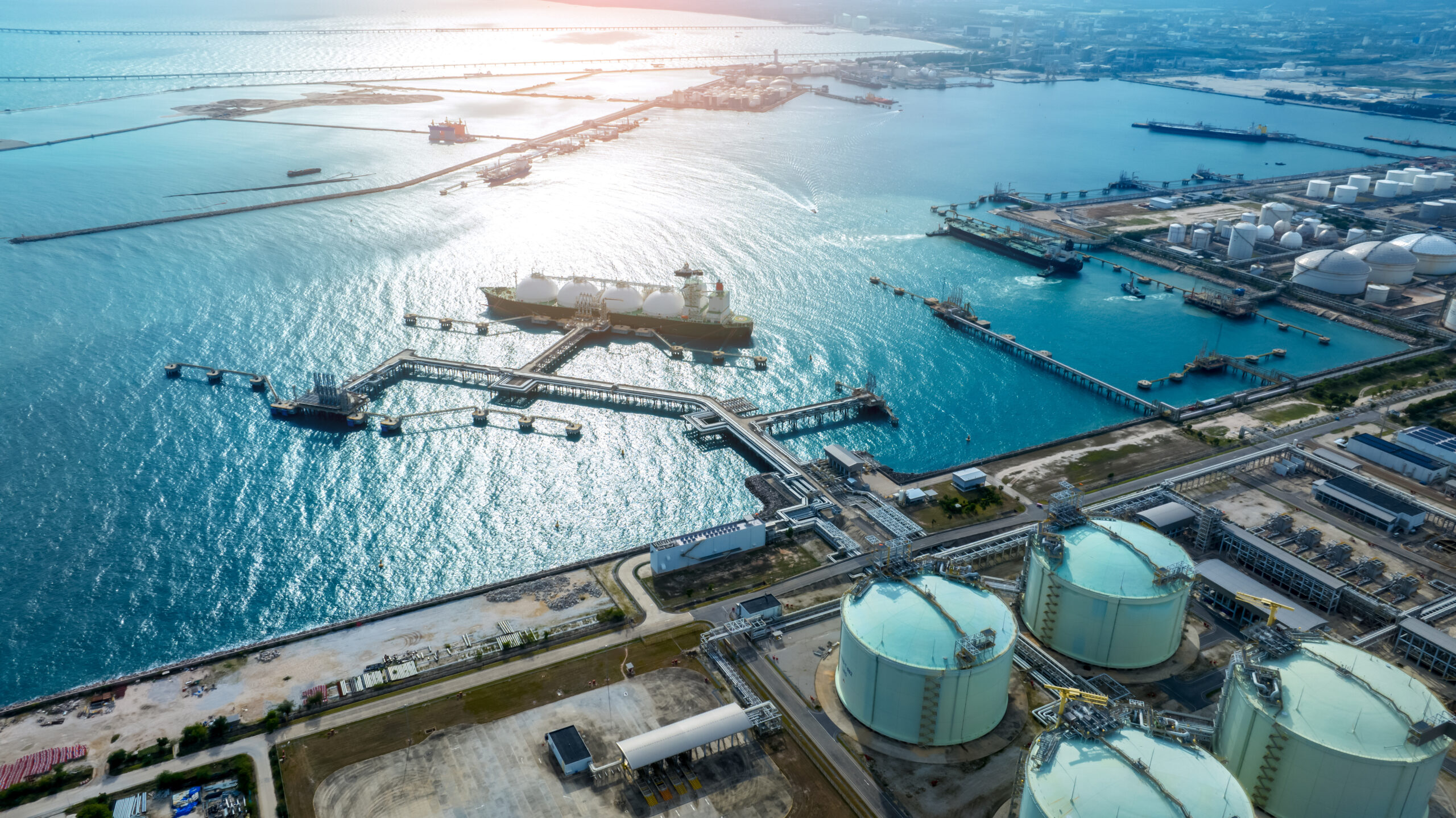
Advancing maritime decarbonisation: Design and optimisation of ammonia-fuelled propulsion systems
“Abstract
Innovative marine propulsion systems play a pivotal role for decarbonising global maritime transportation. This study investigated an ammonia-fuelled hybrid powertrain system that integrates ammonia internal combustion engines with a battery energy storage system for a large containership, which were based on the credible and validated physical engine and battery models and real operation profiles of the case ship. A multi-objective optimisation framework based on the Non-Dominated Sorting Genetic Algorithm II (NSGA-II) is developed for component sizing and selection. In parallel, a rule-based Energy Management Strategy (EMS) is employed to optimize power distribution and improve operational efficiency. The proposed hybrid configuration is benchmarked against a real-world powertrain system powered by heavy fuel oil engines and a scenario powertrain solely powered by the same type of ammonia engines. The case study on the representative containership demonstrates that the ammonia-fuelled propulsion system has significantly lower carbon emissions than the conventional propulsion system, which achieves a 79.36 % reduction in CO2 emissions. The hybrid ammonia-fuelled powertrain system has further 0.15 % CO2 emission reductions with an Energy Efficiency Existing Ship Index (EEXI) of 0.8085 gCO2/(t∗nmi). Nevertheless, fuel costs account for over 86 % of lifecycle expenditure, and high ammonia genset prices increase Capital Expenditure (CAPEX), resulting in higher overall costs of the ammonia-fuelled propulsion systems. These results indicate that ammonia as a marine fuel offers substantial decarbonisation potential and its economic feasibility depends on future ammonia cost reductions and optimal marine propulsion system design.”
Zhang, Y., Chen, P., Wu, D., Hao, X., Yang, T. and Cairns, A. (2025a). Advancing maritime decarbonisation: Design and optimisation of ammonia-fuelled propulsion systems. Journal of Cleaner Production, 535, p.147145. doi:https://doi.org/10.1016/j.jclepro.2025.147145.
The full report is accessible via: https://doi.org/10.1016/j.jclepro.2025.147145
For related publications please see Resources – UK National Clean Maritime Research Hub